The Scientific Research Behind Dependency: The Impact Of Drugs And Alcohol On Brain Task


Material Develop By-Salinas Knox
You could assume you comprehend addiction, however the truth is a lot more complex. Drugs and alcohol hijack your brain's incentive system, modifying how you experience pleasure. Over time, this results in a dangerous cycle of craving and intake. What takes place next can transform your life permanently. Understanding the neurobiology behind addiction is essential, however there are additionally other important factors at play that affect susceptability. Let's check out these elements even more.
The Neurobiology of Addiction
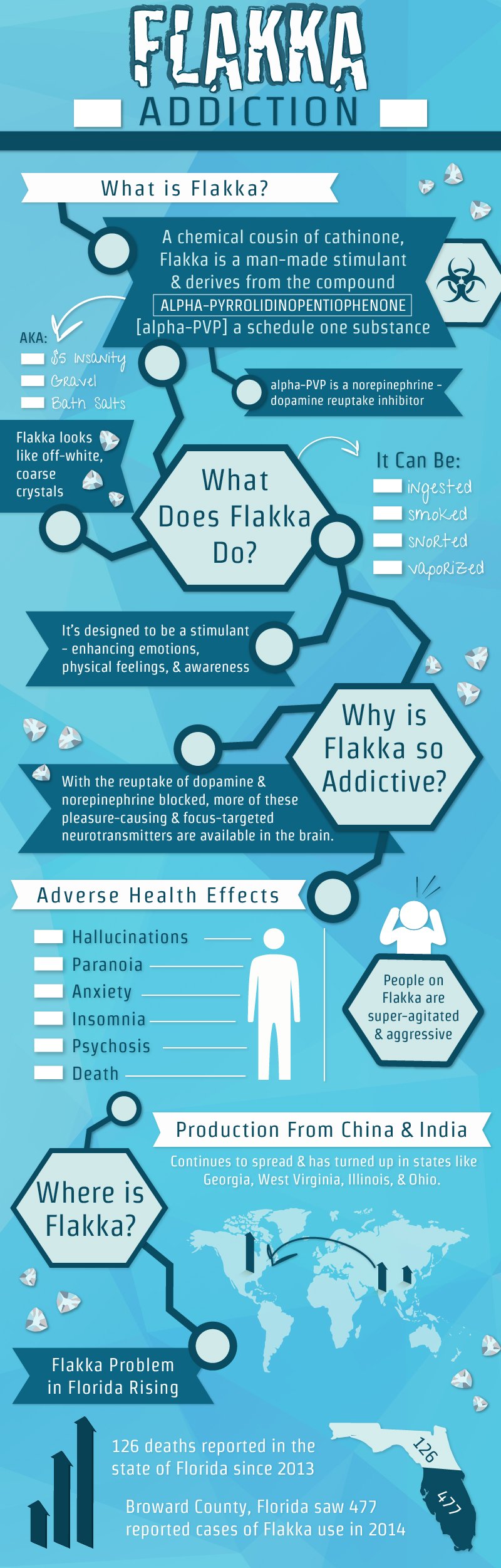
When you explore the neurobiology of addiction, you'll find how substances hijack the brain's incentive system. This system, largely including dopamine, reinforces actions that bring satisfaction.
When you consume drugs or alcohol, they flooding your mind with dopamine, developing intense feelings of bliss. Gradually, your brain ends up being reliant on these compounds to boost dopamine release.
This causes a reduced action to natural incentives, like food or social communications. As you go after that high, you may locate yourself needing to increase the substance's dose to achieve the very same impact.
This cycle of craving and consumption changes your mind's framework and function, making it harder to stop. Comprehending this procedure is crucial for recognizing the difficulties of conquering addiction.
The Impact important Use on Mental Health
The brain's modified benefit system not just affects physical dependence yet likewise dramatically affects psychological wellness. When you use compounds, they can set off state of mind swings, anxiety, and anxiety.
These adjustments often stem from the chemical imbalances developed by drugs and alcohol, leading you to feel more prone to stress and anxiety and emotional turmoil. Gradually, the coping devices you rely upon might become harmful, making it more challenging to handle everyday obstacles.
Additionally, compound use can aggravate existing psychological health and wellness problems, producing a vicious cycle of dependancy and mental illness. Comprehending this connection is important, as it can aid you acknowledge the relevance of looking for assistance and developing healthier coping strategies to boost your mental well-being.
Variables Influencing Vulnerability to Dependency
Comprehending the factors that affect susceptability to addiction is important for acknowledging exactly how particular people may be a lot more in danger than others. Hereditary predispositions play a significant duty; if addiction runs in your family, you might be more at risk.
Ecological influences, like trauma or stress and anxiety, can also enhance this threat. In addition, psychological health problems, such as stress and anxiety or depression, typically co-occur with material use disorders, making you much more susceptible.
Social factors, like peer pressure or absence of support, can further aggravate these tendencies. Finally, early exposure to medicines or alcohol can alter mind development, increasing the possibility of addiction later in life.
Knowing these aspects can aid you recognize your own relationship with substances and look for assistance if needed.
Verdict
Recognizing the science of addiction is important for any person grappling with material usage. By acknowledging how alcohol and drugs pirate your mind's incentive system, you can much better appreciate the challenges of recuperation. Bear in mind, the trip isn't just about stopping usage; it's about reconstructing your mind's all-natural responses and discovering healthier means to experience pleasure. With support and awareness, you can navigate this complicated course and work in the direction of a healthier, addiction-free life.